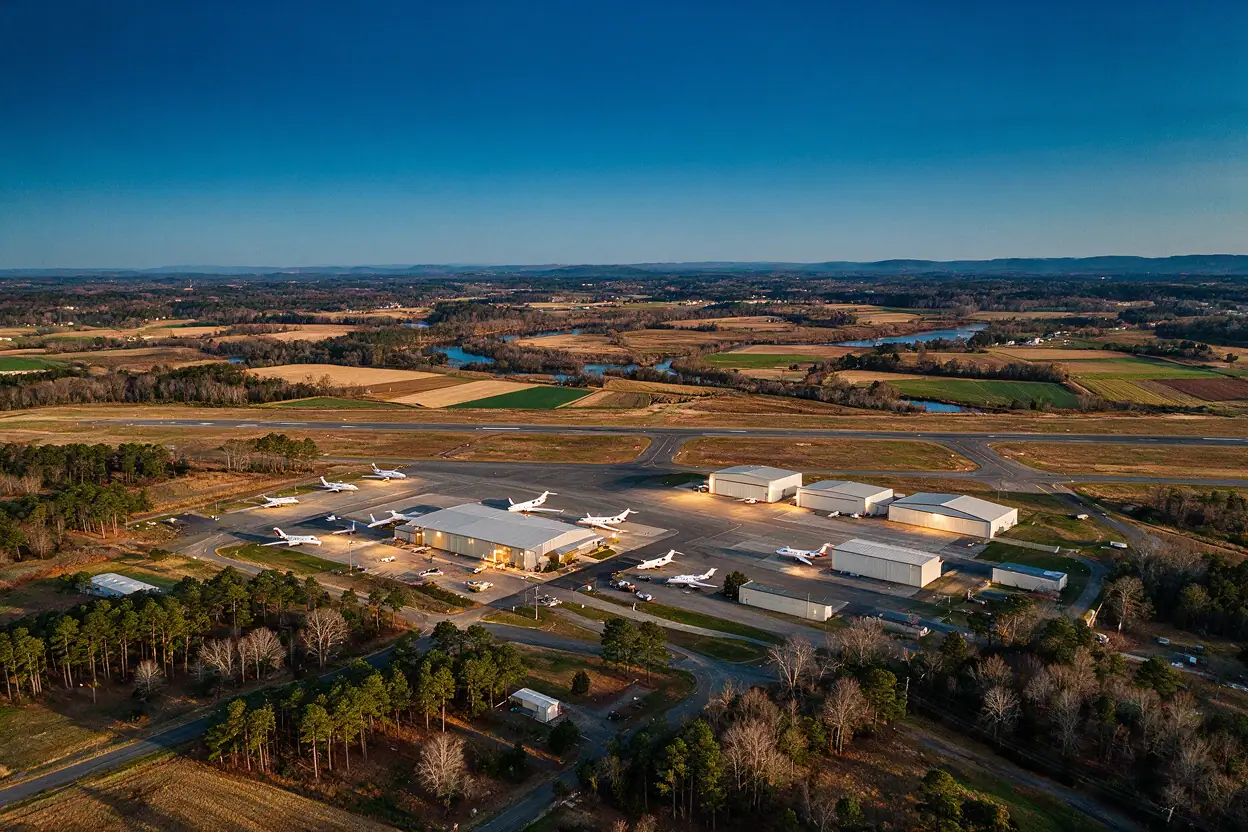
Private flight Centennial guide
Private flight Centennial planning starts with elevation. KAPA sits at 5,885 ft, and July density altitude reaches about 9,200 ft. That reshapes aircraft choice.
- KAPA · APAairfield codes
- 5,885 ftfield height
- 10,001 ftlongest strip
- 0 mitoward New York
Centennial Airport is the Denver area's business aviation field for private flight Centennial trips. It sits south of the city near the Denver Tech Center and the I-25 corridor. Field elevation is 5,885 ft, which is the figure that drives everything else on this page. At that height the air is thin in every season, and aircraft that climb well from sea level do not automatically perform the same way here. When you request a private flight Centennial quote, the departure field and the forecast temperature are two of the first things worth sharing with a broker, because they narrow which aircraft can realistically make your trip with your group and bags aboard.
Aircraft choice on a private flight Centennial comes down to runway performance and summer density altitude rather than cabin size alone. A turboprop may suit a short hop to another Colorado field where the leg is brief and the passenger count is small, while a light jet handles regional routes and a midsize or super-midsize jet covers longer legs with more cabin room. The runway is long at 10,001 ft, so length itself is rarely the constraint; the thin air is. Two jets that both look right on paper can differ meaningfully in how much they can lift from KAPA on an August afternoon, and that difference shows up in fuel stops and in how much luggage fits.
Prices on the site are estimates, so treat any figure as a planning range rather than a quote. Charter pricing responds to the aircraft you pick, the day and time you fly, how long the crew is away from base, and how far the jet has to reposition to reach Centennial. A quiet Tuesday morning and a Friday ahead of a holiday week can price differently for the same airplane. Ask for the aircraft type, the estimated total, and what is included so you can compare offers side by side instead of comparing single numbers that may cover different things.
Runways and performance at Centennial
Centennial's longest runway is 10,001 ft, with field elevation at 5,885 ft, and that pairing matters more than raw length suggests. Long pavement gives a crew options, but at this elevation the aircraft's ability to climb after liftoff is the real question on a hot day. Thin air at Centennial reduces lift and climb performance, so the same jet carries less on a July afternoon than it would from a sea-level field. When a trip pushes a particular aircraft toward its limits from KAPA, the practical result is often a fuel stop or a smaller passenger and bag load rather than a different airport.
| Runway | Length | Width | Pavement |
|---|---|---|---|
| 17L/35R | 10,001 ft | 100 ft | Asphalt |
| 17R/35L | 7,001 ft | 75 ft | Asphalt |
| 10/28 | 4,800 ft | 75 ft | Asphalt |
Getting to Centennial Airport
Centennial sits south of Denver, roughly 611 miles by road from the Las Vegas Strip for anyone comparing a drive against a flight. The field is convenient to the Denver Tech Center and the southern metro, which is a large part of why business travelers use it instead of the commercial terminals. If your itinerary starts in the Tech Center, then Centennial usually beats a drive north to the airline concourses. For international legs, CBP clearance needs to be arranged in advance, and that changes your meeting point and timing.
Private jet routes via Centennial
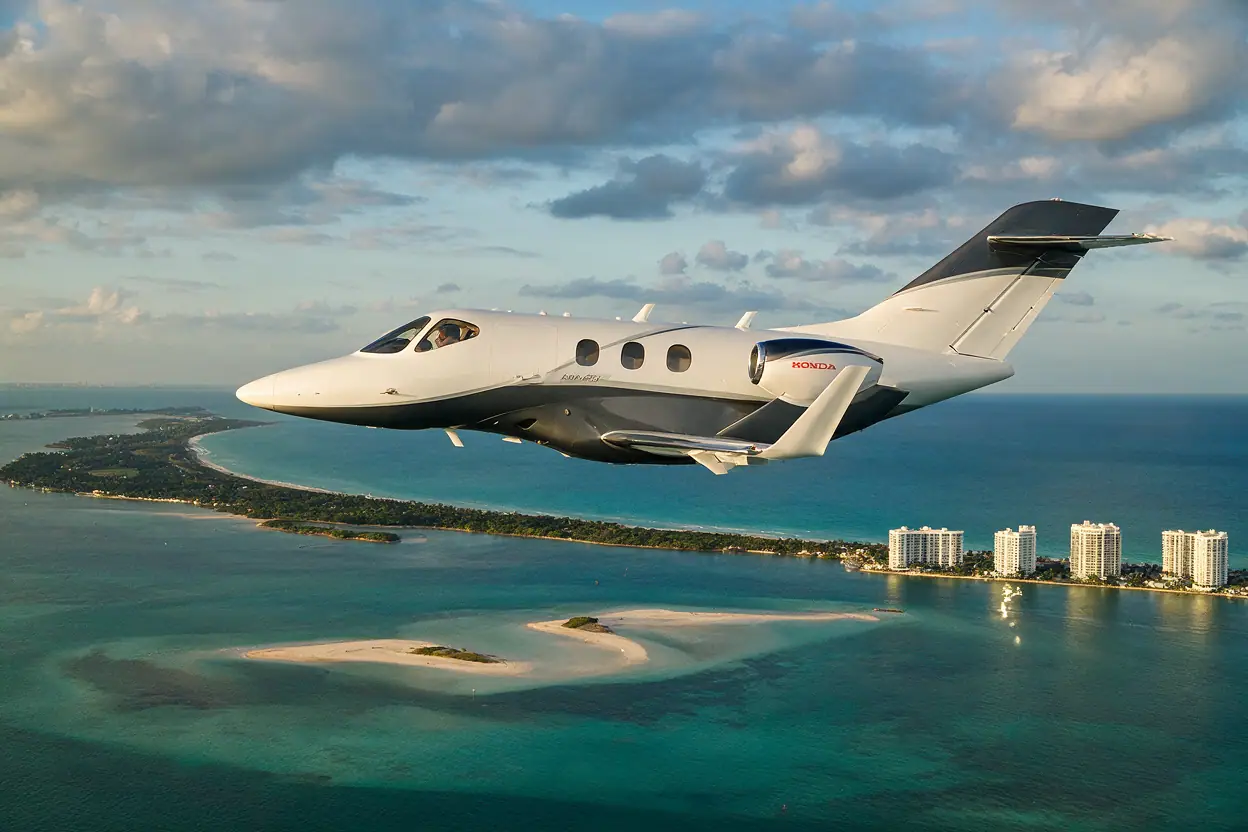
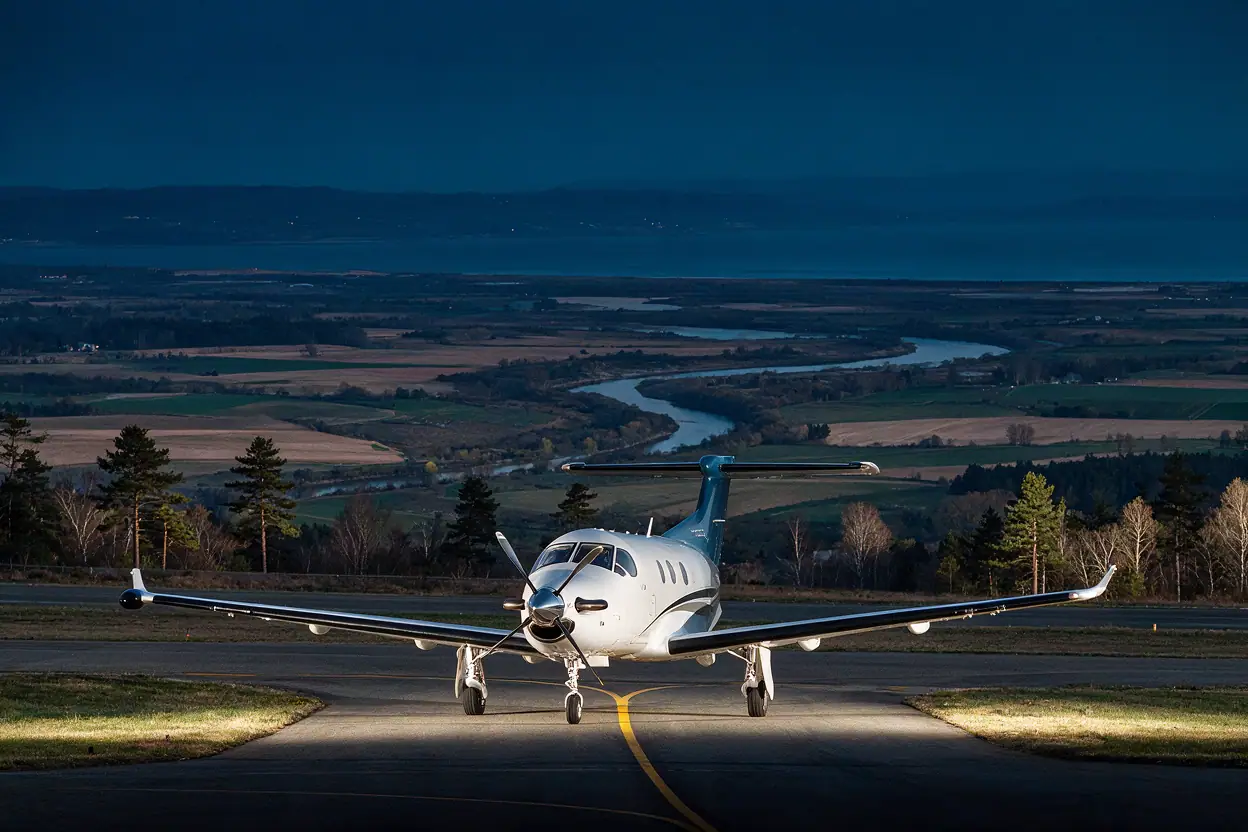
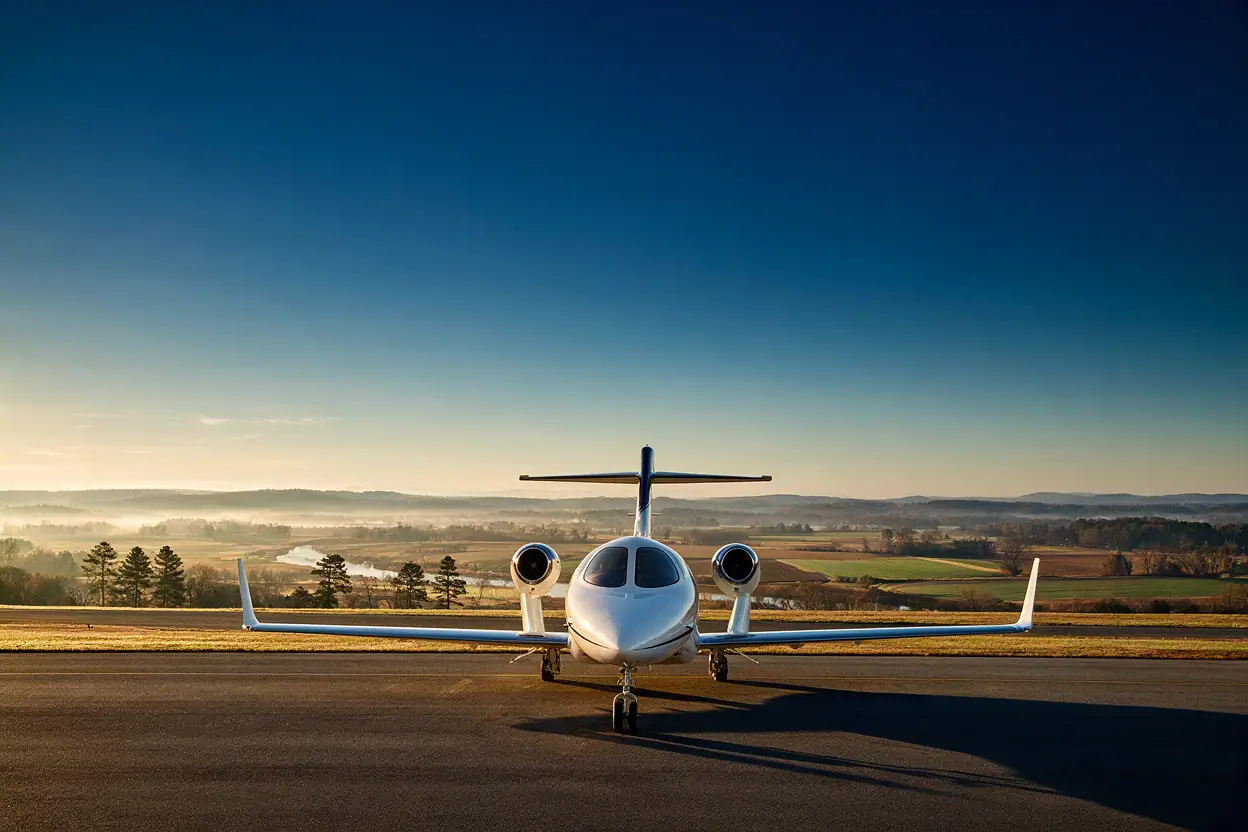
These 6 private jet routes span 199 to 2,129 nautical miles, and one-way light jet estimates run from $4,000 to $36,000.

FBOs and ground handling at KAPA
Three FBOs serve general aviation at Centennial: jetCenters of Colorado, Modern Aviation, and Signature Aviation - North. Your charter broker can confirm which one your flight is scheduled through, and that determines where you meet the aircraft and where your car drops you. For a private flight Centennial passengers should confirm the FBO before leaving, since three separate facilities serve the field. Ground arrangements, from rental cars to catering, are typically handled through the FBO your flight uses, so a quick confirmation saves a wrong turn on the south side of the metro.
What a Centennial charter suits best
- Business travel to the Denver Tech Center and the I-25 corridor, where the field sits close to the meeting.
- Ski trips and mountain weekends, with the caveat that summer heat limits loads more than winter cold.
- Short regional hops within Colorado and to nearby states in a turboprop or light jet.
- Groups that value a field with three FBOs and a 10,001 ft runway over a downtown alternative.
| Cabin size | Runway requirement | Local |
|---|---|---|
| Turboprop | 3,300 ft+ | No limits |
| Light jet | 4,000 ft+ | No limits |
| Midsize jet | 5,000 ft+ | No limits |
| Super-midsize jet | 5,200 ft+ | No limits |
| Heavy jet | 5,600 ft+ | No limits |
Weather and density altitude
Density altitude at Centennial averages about 6,100 ft in January and climbs to roughly 9,200 ft in July and August, and that swing changes aircraft performance by a wide margin. Peak readings in extreme heat can approach 9,800 ft. The monthly pattern runs from 6,600 ft in March through 8,000 ft in May and 8,700 ft in September before easing back to 6,400 ft in December. If you fly from Centennial in July or August, then plan for density altitude near 9,200 ft and expect payload limits. Afternoon departures are the hottest, so an early morning slot can matter more than a slightly larger cabin. If your group is at the top of an aircraft's capacity, moving the departure earlier or accepting a fuel stop keeps the trip realistic.
Wet days are part of the picture too, running from 4 in October to 12 in May, and spring storms can ripple through a schedule. July and August are the driest months on this list at 6 wet days each, though summer convection in Colorado tends to arrive quickly in the afternoon. If your trip is time-sensitive, then an early departure reduces the odds of a weather delay later in the day.
| Period | Mean high | Days with rain | Density altitude |
|---|---|---|---|
| Jan | 41°F | 5 | 6,100 ft |
| Feb | 41°F | 8 | 6,100 ft |
| Mar | 49°F | 8 | 6,600 ft |
| Apr | 59°F | 8 | 7,300 ft |
| May | 69°F | 12 | 8,000 ft |
| Jun | 83°F | 8 | 8,900 ft |
| Jul | 88°F | 6 | 9,200 ft |
| Aug | 87°F | 6 | 9,200 ft |
| Sep | 80°F | 6 | 8,700 ft |
| Oct | 67°F | 4 | 7,800 ft |
| Nov | 53°F | 5 | 6,900 ft |
| Dec | 46°F | 5 | 6,400 ft |
FAQs on this airfield
What should I know before booking a private flight Centennial?
Start with the field elevation of 5,885 ft and the runway length of 10,001 ft, then share your passenger count, bags and travel date. Density altitude reaches about 9,200 ft in July, so a hot-weather departure can limit how much a given aircraft lifts. Ask for the aircraft type and an estimated total, and confirm which of the three FBOs your flight uses before you leave.
Which aircraft fly from Centennial Airport in summer?
Turboprops, light jets and midsize jets all use KAPA, but summer density altitude near 9,200 ft narrows the field for long legs with full loads. A light jet handles regional routes well, while longer trips may call for a midsize or super-midsize aircraft or a planned fuel stop. The 10,001 ft runway gives crews room; climb performance in thin air is the real limit.
How much does a private flight Centennial cost?
Pricing is an estimate until a broker prices your specific trip, because aircraft type, date, crew time and repositioning distance all move the number. A turboprop on a short regional leg prices very differently from a midsize jet flying coast to coast. Ask each quote to state the aircraft, the estimated total and what is included, then compare like for like rather than the headline figure alone.
When is density altitude highest at KAPA?
July and August average about 9,200 ft, with extreme heat pushing readings toward 9,800 ft. January and February sit near 6,100 ft by comparison. If you are traveling in midsummer with a full cabin, an early morning departure usually performs better than an afternoon slot, and a fuel stop may be the trade for a heavier load.
Which FBOs serve Centennial Airport?
Three: jetCenters of Colorado, Modern Aviation, and Signature Aviation - North. Your flight is scheduled through one of them, and that is where you meet the aircraft. Confirm the FBO with your broker before departure, since the field has multiple facilities and the wrong one costs time. Ground services like rental cars and catering generally run through the FBO handling your flight.
How does Centennial compare with Denver's other options?
Centennial sits south of the city near the Tech Center, which suits southern metro business travel, while commercial terminals sit further north and require TSA screening. KAPA has three FBOs and a 10,001 ft runway. If your trip is international, CBP arrangements affect which field and timing work, so raise it when you request quotes rather than after the aircraft is booked.